
Security SolutionsCloud Solutions
Cyber Security and a Safer Approach to Cloud-Based Tech
Cloud misconfiguration and undetected intrusions are major risks. Environment-specific tools, automated response, and a coordinated plan limit damage.
Cloud misconfiguration and undetected intrusions are major risks. Environment-specific tools, automated response, and a coordinated plan limit damage.

Small businesses take outsized damage from breaches. Six steps, including phishing training, multi-factor authentication, and timely patching, cut risk.
SaaS cuts hardware costs, scales users on demand, and frees IT for strategy. Weigh the risks too: vendor lock-in, shadow IT, and less customization.

VoIP jitter comes from network congestion, weak wireless, or old hardware. A jitter buffer, more bandwidth, and newer routers fix most quality issues.

Tech rollouts fail when firms skip studying what digital consumers want. Workforce training, restructuring, and ready leadership matter as much as tools.

Small and micro-outages add up to major downtime costs. A complete disaster recovery plan covers incremental backups, remote storage, and failover.
Cloud-based DRaaS gives SMBs scalable, low-cost protection. A solid plan covers vendor selection, downtime contingencies, and regular recovery testing.
In-house SD-WAN demands skills across security layers, edge functions, and hybrid MPLS/broadband paths most internal IT teams cannot sustain daily.
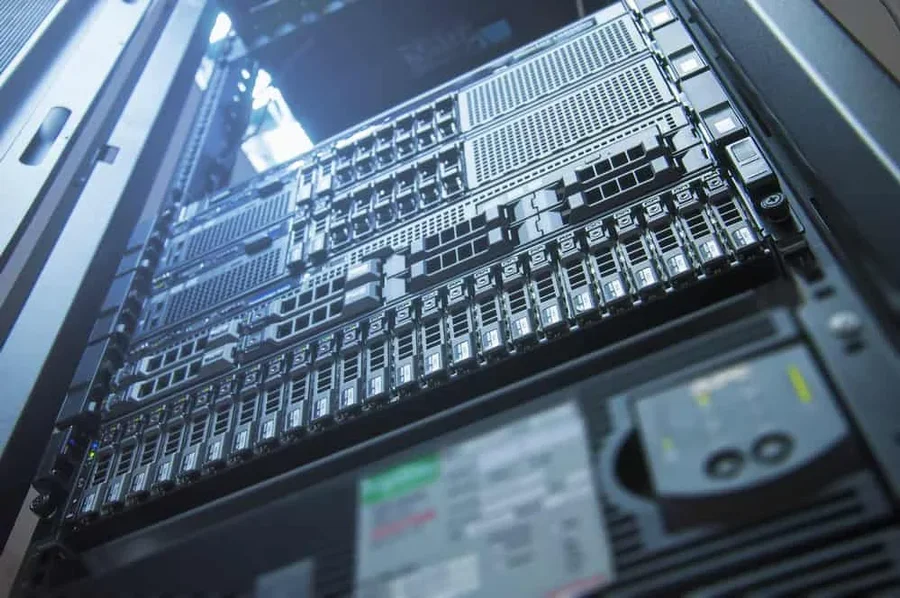
Preparing for cloud outages means documenting weak points, enabling remote access, and pairing on-premise with cloud backup to survive either failure.

Enterprises can meet rising expectations with reactive and predictive AI, machine learning, and network visibility tools that catch outages early.

As firms collect and share consumer behavior data, the ethics of personalization, AI profiling, and third-party transfers demand clear accountability.

IVR offers branded messaging, smart call routing, self-service, and AI-driven natural language to businesses of any size, not just large enterprises.