
AI SolutionsTelecommunications
Two Major Emerging Trends for AI in Telecom
Unsupervised AI models and explainability rules are the two forces shaping AI in telecom. Both are converging, and ignoring either creates real risk.
Unsupervised AI models and explainability rules are the two forces shaping AI in telecom. Both are converging, and ignoring either creates real risk.

UCaaS gives remote and field staff full calling, messaging, and conferencing from any device. Seven advantages show why it beats legacy phone systems.
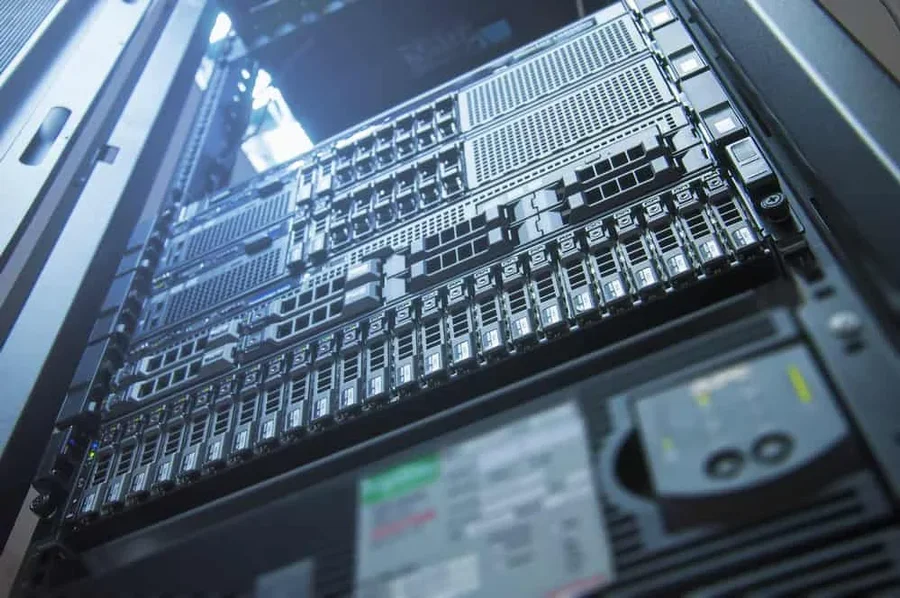
UC platforms combine voice, video, email, and conferencing in one system, enabling global hiring without travel costs and faster team assembly.

PRI lines cost $300-400 a month and cap you at 23 channels. SIP trunking scales to any call volume, improves quality, and cuts long-distance charges.

Cloud contact centers cut hardware costs, free IT from maintenance, and add AI-driven routing on-premise can't match. Hybrid options ease the move.

IoT multiplies devices, bandwidth needs, and risks. SD-WAN segments and prioritizes IoT traffic and isolates compromised devices to protect the network.

Data-control concerns keep many firms on legacy UC. A side-by-side look at on-site, hybrid, and UCaaS shows what each model costs and controls.

Mobile VoIP gives remote staff full company calling features, encryption, and clear call quality. The continuity benefits outweigh the added cost.

Distributed workforces complicate business continuity. Updated BYOD policies, better visibility, and remote access monitoring keep operations secure.

5G brings faster speeds and lower latency, but its software-defined design widens the attack surface. See the trade-offs of a security-first rollout.

Traditional WANs struggle with latency, outages, and rising costs. SD-WAN routes traffic dynamically across links, cutting cost while improving reliability.

SD-WAN adoption is accelerating as cloud migration exposes the limits of MPLS. Here's why full WAN replacement is a matter of when, not if.